
3-363 Broadway, Suite 303, Winnipeg | +1 (204) 813-8548, +234 (70) 20273998 | info@woyimmigration.com

IMMIGRATION SERVICES
Immigration Refusal & Appeals Canada
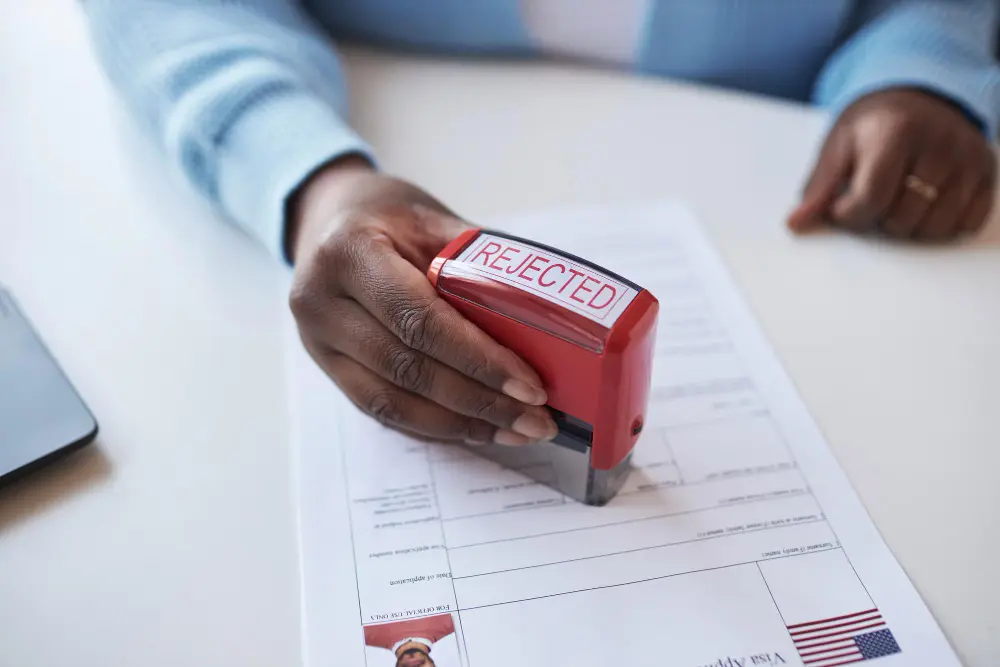
Had your Canadian immigration application refused? You’re not alone and you may still have options. We help you understand the reasons for refusal and build a stronger strategy for reapplication or appeal.

OVERVIEW
What Does a Refusal Mean?
A refusal means that an immigration officer was not satisfied that your application met the requirements under Canadian immigration law. This can happen for study permits, work permits, visitor visas, or permanent residence applications.
A refusal does not always mean the end of your application. It means there are issues that need to be addressed.
Not every refusal has the same remedy. Some matters may involve reconsideration, a new application, an appeal to the Immigration Appeal Division, a refugee appeal, or judicial review at the Federal Court. The right next step depends on the type of refusal, the deadline, the reason for refusal, and whether the applicant has a legal right of appeal.
WHO THIS IS FOR
Was Your Immigration Application Refused?
This service is for applicants, sponsors, permanent residents, and families who have received a refusal, removal-related decision, or negative immigration outcome and need help understanding what can be done next.
Visa, Permit, or PR Refusals
You received a refusal for a visitor visa, study permit, work permit, permanent residence application, or another immigration application.
Sponsorship Refusals
You sponsored a spouse, partner, parent, child, or other eligible family member and the application was refused.
Residency Obligation Concerns
You are a permanent resident facing issues because IRCC or CBSA believes you did not meet the residency obligation.
Removal or Admissibility Issues
You received a removal order, admissibility concern, or communication from CBSA or the Immigration and Refugee Board.
A refusal does not always mean the case is over. But the next step must be chosen carefully because deadlines, appeal rights, and legal options can vary.
Common Reasons for Refusal
Applications may be refused for several reasons, including:
- Insufficient proof of funds
- Weak ties to home country
- Incomplete or inconsistent documentation
- Unclear purpose of travel or study
- Failure to meet program requirements
Understanding the exact reason is critical before reapplying.
COMMON PROBLEMS
Mistakes People Make After a Refusal
The period after a refusal is important. Many applicants lose valuable time or weaken their case by rushing into the wrong next step.
Waiting Too Long
Some appeal or review options have strict deadlines. Waiting too long can reduce or remove available options.
Reapplying Without Fixing the Problem
Submitting the same documents again without addressing the refusal reasons can lead to another refusal.
Misunderstanding the Refusal Letter
Refusal letters may be short, but they often point to deeper concerns about purpose of visit, finances, ties, documents, eligibility, credibility, or admissibility.
Choosing the Wrong Remedy
A new application, reconsideration request, appeal, or judicial review are not the same. The right option depends on the type of decision.
Missing Evidence or Legal Arguments
Appeals and reviews often require more than emotional explanation. The evidence must respond directly to the decision-maker’s concerns.
Ignoring Previous Immigration History
Past refusals, previous applications, inconsistent statements, overstays, or misrepresentation concerns can affect future applications if not addressed properly.
Your Options After a Refusal
Depending on your situation, you may have the following options
- Reapply with a stronger application
- Request GCMS notes to understand officer concerns
- File an appeal (if applicable)
- Explore alternative immigration pathways
We help you choose the best option based on your case.
OUR PROCESS
How We Help
We take a structured approach to refusal cases
1
Review Refusal
Review your refusal letter and application history
2
Identify Issues
Identify the key issues and weaknesses
3
Request GCMS
Request and analyze GCMS notes (if needed)
4
Develop Reapplication
Develop a stronger reapplication or appeal strategy
5
Submit Reapplication
Prepare and submit a well-documented application
WHAT WOY REVIEWS
What We Check Before Advising You
Before recommending the next step, we review the refusal decision, your full immigration history, available remedies, deadlines, and the evidence needed to respond properly.
- The type of application or decision refused
- The refusal letter and reasons given
- Any deadline to appeal, respond, or seek review
- Whether you have a right of appeal
- Whether reconsideration may be appropriate
- Whether a stronger new application may be better
- Whether judicial review may need to be discussed with a lawyer
- Your previous applications and immigration history
- Your documents, evidence, and explanations submitted before
- Any inadmissibility, misrepresentation, or credibility concerns
- Family, employment, financial, travel, or humanitarian factors
- Whether GCMS notes or additional records may be useful
Our goal is to help you understand the refusal clearly before taking action. A strong next step starts with knowing what went wrong and which option is legally available.
FEES & COSTS
Refusal & Appeals
Fees for refusal and appeal services vary depending on the complexity of your case. Government fees may also apply if you are submitting a new application or appeal.
Visit our Pricing page or book a consultation for a personalizedassessment.
WHAT YOU NEED TO PREPARE
Your Pre-Consultation Checklist
You do not need to have everything perfect before speaking with us. Bring what you already have, and we will explain what is missing.
1
Prepare the Refusal Letter or Decision Notice
Bring the full refusal letter, decision notice, removal order, IRB communication, or any document explaining the negative decision.
2
Prepare the Original Application Package
Bring the forms, documents, letters, financial records, employment records, relationship evidence, or supporting materials submitted with the refused application.
3
Prepare Your Immigration History
Bring previous visas, permits, refusals, applications, travel history, entry records, removal documents, or any IRCC, CBSA, or IRB correspondence.
4
Prepare Any New or Missing Evidence
Bring updated documents that may address the refusal concerns, such as stronger financial proof, employment records, relationship evidence, school documents, or explanations.
5
Prepare Deadline and Account Information
Bring the date you received the refusal, portal screenshots, submission confirmation, application number, UCI, and any message showing when the decision was issued.
If you do not have the full application package, bring what you have. We can help identify whether additional records, such as GCMS notes, may be needed.
AFTER YOUR CONSULTATION
What Happens Next?
After your consultation, you will understand what the refusal means, what options may still be available, and what steps should be taken before moving forward.
We Review the Refusal Reasons
We examine the decision letter, submitted documents, and immigration history to understand why the application was refused.
We Confirm Available Options and Deadlines
We explain whether the situation may involve a new application, reconsideration request, appeal, or another review option depending on the decision type.
We Identify Evidence Gaps
We point out what was missing, weak, inconsistent, outdated, or not properly explained in the refused application.
We Recommend the Strongest Next Step
We help you decide whether to correct and reapply, request reconsideration, prepare an appeal, or seek the appropriate legal review route.
We Support the Next Submission
If WOY is retained, we help prepare the documents, explanations, appeal materials, or revised application package needed for the next step.
FAQ
Refusal & Appeals FAQs
Can I reapply after a visa refusal?
Yes. You can reapply, but it is important to address the reasons for refusal before submitting a new application.
How soon can I reapply after a refusal?
You can reapply at any time, but it is recommended to first strengthen your application and address previous concerns.
What are my chances after a refusal?
Your chances depend on how well the issues in your previous application are addressed. A stronger, well-prepared application can significantly improve your outcome.
Should I request GCMS notes after a refusal?
Yes. GCMS notes can provide detailed insight into the officer’s decision and help you understand what went wrong.
Can I appeal a refusal?
Some types of applications may be eligible for appeal, while others require reapplication. We can advise you based on your situation.
Received a Refusal?
Book a consultation to review your case and develop a clear strategy for your next steps.