
3-363 Broadway, Suite 303, Winnipeg | +1 (204) 813-8548, +234 (70) 20273998 | info@woyimmigration.com


IMMIGRATION SERVICES
Spousal Sponsorship Canada
Bring your spouse or partner to Canada through spousal sponsorship Canada programs. Whether your partner is inside or outside Canada, we provide clear, personalized guidance to help you navigate the process with confidence.
OVERVIEW
What Is Spousal Sponsorship?
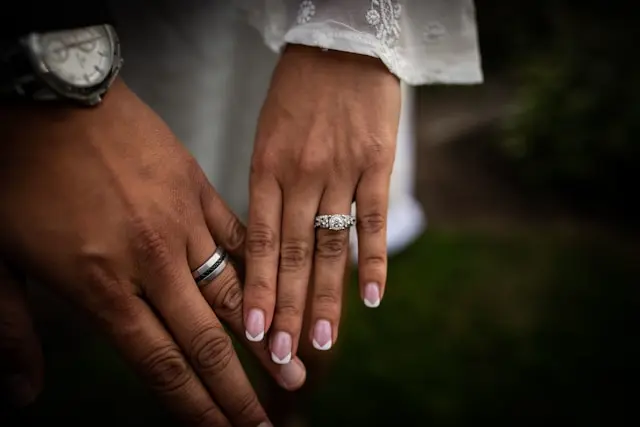
Spousal sponsorship allows Canadian citizens and permanent residents to sponsor their spouse or common-law partner for permanent residence in Canada. This program is designed to help couples live together and build their future in Canada.
A spouse or partner may also be eligible for an open work permit in some situations while the sponsorship application is being processed.
Applications can be submitted through inland (inside Canada) or outland (outside Canada) sponsorship streams, depending on your situation.
WHO THIS IS FOR
Is Spousal Sponsorship Right for You?
This service is for Canadian citizens and permanent residents who want to sponsor their spouse, common-law partner, or conjugal partner to become a permanent resident of Canada.
Married Couples
You are legally married and want to sponsor your spouse to live permanently in Canada.
Common-Law Partners
You have lived together in a committed relationship and need help showing that your relationship meets the common-law requirements.
Partners Living in Canada
Your spouse or common-law partner is already in Canada, and you want to understand whether an inland sponsorship application may be suitable.
Partners Outside Canada
Your spouse or partner is outside Canada, and you want to prepare a strong family sponsorship application from the beginning.
Spousal sponsorship is about more than proving love or marriage. IRCC reviews the sponsor’s eligibility, the relationship history, the applicant’s admissibility, and whether the application category is correct.
Who Can Be Sponsored?
You may be eligible to sponsor:
- A legally married spouse
- A common-law partner (living together for at least 12 months)
- A conjugal partner (in specific circumstances)
Each category has specific documentation and eligibility requirements.
ELIGIBILITY
Who Can Sponsor a Spouse or Partner?
To sponsor your spouse or partner, you must:
2
Age
Be at least 18 years old
3
Financial Ability
Demonstrate the ability to support your partner financially
4
No Defaults
Not be in default of previous sponsorship obligations
5
Genuineness
Meet health and security requirements
Inland vs Outland Sponsorship
There are two main types of spousal sponsorship:
- Inland Sponsorship: For spouses or partners already in Canada. In many cases, they may be eligible for an open work permit while the application is being processed.
- Outland Sponsorship: For spouses or partners outside Canada. This option may offer more flexibility for travel and can sometimes be processed faster depending on the case.
COMMON PROBLEMS
Mistakes That Can Delay or Weaken a Spousal Sponsorship Application
Spousal sponsorship applications can be delayed, returned, or refused when the relationship evidence, sponsor eligibility, documents, or application route are not properly handled.
Weak Relationship Evidence
A marriage certificate alone may not be enough. IRCC looks at whether the relationship is genuine and not entered into mainly for immigration purposes.
Choosing the Wrong Application Class
Inland and outland sponsorship are not the same. The right choice depends on where the applicant lives, travel plans, appeal rights, and the couple’s situation.
Missing Cohabitation Proof
Common-law partners must show more than a relationship. They need evidence of living together and sharing life as a couple.
Ignoring Status Issues in Canada
If the sponsored spouse is in Canada with expired or uncertain status, the application must be handled carefully before making assumptions.
Incomplete Family History
Previous marriages, children, dependants, divorces, custody issues, or past sponsorships must be disclosed correctly.
Assuming Work Authorization Is Automatic
A sponsored spouse or partner may be able to apply for an open work permit in some situations, but they still need a work permit before working legally.
OUR PROCESS
How We Help
We guide you through the spousal sponsorship process step by step
1
Assess Eligibility
Assess your eligibility as a sponsor and applicant
2
Determine Pathway
Determine the best sponsorship pathway (inland or outland)
3
Review Documentation
Prepare and review relationship evidence and documentation
4
Support Application
Submit a complete and accurate application
5
Support You
Provide support throughout processing and follow-up requests
WHAT WOY REVIEWS
What We Check Before Advising You
Before preparing a spousal sponsorship application, we review the sponsor’s eligibility, the applicant’s situation, the relationship evidence, and the correct application route.
- The sponsor’s Canadian citizenship or permanent resident status
- Whether the sponsor lives in Canada or plans to return to Canada
- The sponsor’s age, previous sponsorships, and eligibility history
- Whether the relationship is spouse, common-law, or conjugal partner
- Whether inland or outland sponsorship is the better fit
- The sponsored person’s current immigration status, if in Canada
- Relationship history, timeline, and supporting evidence
- Marriage, divorce, custody, or previous relationship documents
- Dependent children and family composition
- Police certificates, medical requirements, and admissibility concerns
- Whether an open work permit may be available
- Any previous refusals, removals, or immigration concerns
Our goal is to help you present the relationship clearly, choose the correct route, and avoid avoidable gaps before the application is submitted.
FEES & COSTS
Spousal Sponsorship
Spousal sponsorship applications include government fees and professional service fees. Costs vary depending on your situation and application complexity.
Visit our Pricing page or book a consultation to receive a personalized cost breakdown.
WHAT YOU NEED TO PREPARE
Your Pre-Consultation Checklist
You do not need to have everything perfect before speaking with us. Bring what you already have, and we will explain what is missing.
1
Prepare the Sponsor’s Status Documents
Bring proof of Canadian citizenship or permanent resident status, government-issued ID, address history, employment details, and any previous sponsorship records.
2
Prepare the Sponsored Person’s Identity and Status Documents
Bring the sponsored person’s passport, birth certificate, national ID, current Canadian status document if applicable, visas, permits, or previous IRCC correspondence.
3
Prepare Marriage or Relationship Documents
Bring your marriage certificate, divorce documents if applicable, common-law proof, joint lease, joint bank records, bills, insurance records, or documents showing shared responsibilities.
4
Prepare Relationship Evidence
Bring photos, travel records, communication history, family introductions, wedding records, gift receipts, letters from family or friends, and a timeline of your relationship.
5
Prepare Immigration and Family History
Bring details about previous marriages, children, dependants, refusals, removals, police certificates, medical requests, or any prior immigration applications.
If you are not sure whether something proves the relationship, bring it. We will help separate strong evidence from documents that may not add much value.
AFTER YOUR CONSULTATION
What Happens Next?
After your consultation, you will understand whether spousal sponsorship is suitable, which application route fits your situation, and what documents are needed before submission.
We Confirm Sponsor and Applicant Eligibility
We review whether the sponsor qualifies, whether the sponsored person can be sponsored, and whether any status or admissibility concerns must be addressed.
We Choose the Right Application Route
We explain whether inland or outland sponsorship is more suitable based on residence, travel plans, work permit options, appeal rights, and processing considerations.
We Review Relationship Evidence
We identify gaps in the relationship timeline, cohabitation proof, marriage documents, communication history, or supporting letters.
We Prepare the Sponsorship Package
If WOY is retained, we help complete the forms, organize evidence, prepare supporting explanations, and review the application for consistency.
We Support the File After Submission
We help monitor updates, respond to IRCC requests, explain open work permit options where applicable, and guide you through the next steps after a decision.
FAQ
Spousal Sponsorship FAQs
How long does spousal sponsorship take in Canada?
Processing times vary but typically range from several months to over a year depending on the application type and case complexity.
What proof is required for a genuine relationship?
You may need to provide documents such as photos, communication records, joint finances, and other evidence showing your relationship is genuine.
What happens if my application is refused?
If your application is refused, we can review the reasons and help you prepare a stronger reapplication or explore appeal options.
Can my spouse work while waiting for approval?
If applying inland, your spouse may be eligible for an open work permit while the application is being processed.
Can I sponsor my spouse if I am not working?
There is no strict income requirement for spousal sponsorship, but you must demonstrate the ability to support your partner.
Ready to sponsor your spouse or partner?
Book a consultation to receive personalized guidance and a clear plan for your application.